Monday, May 5, 2008


Trends in Music Evaluation
After reviewing the 20+ entries on this blog I can give a more formal analyis of the trends found in music today. First, I would like to say that this was different from any other project I have done in the past, yet very interesting. This blog allowed me to listen to songs I may have never listened to and exposed me to many new and up and coming artists. I have to say I enjoyed doing this whole blog process. . . if it hadn't been for this project I don't know if I would have ever started my own blog.


As for the trends in music and what is popular on the radio, I have to say that Pop music is once again popular. For the majority of the Billboard charts I looked at a different Pop song seemed to be the number one song each week. This varied only when I discussed songs that topped genre specific charts such as Modern Rock Songs. From this I would have to say that while different genre of music are popular (rock, hip hop, R&B) Pop seems to take the cake. I guess thats why they call it POPular music. Haha (readers are supposed to laugh there)

Lastly, I observed that female artists had a lot to do with this. Over the span of this blog, female artists dominated the charts with their hit singles. Thus, I believe that while female artists are not the only artists to produce Pop music, they have a great influence on its success.
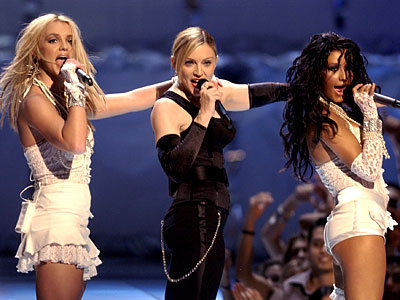
I also want to add that new, up and coming female artists are the chart toppers nowadays. Gone are the days of Christina Aguilera and Britney Spears, a new batch of female artists lead by Leona Lewis are now the most popular and successful.
I also want to add that new, up and coming female artists are the chart toppers nowadays. Gone are the days of Christina Aguilera and Britney Spears, a new batch of female artists lead by Leona Lewis are now the most popular and successful.
5 and Counting . . .

This weeks charts are dominated by Leona Lewis and her smash hit "Bleeding Love". Not only does she have the number one single in the Hot 100, but this week she also tops the Pop 100, Hot Digital Tracks, Hot Digital Songs, and Pop 100 Airplay charts. This is pretty impressive and soldifies "Bleeding Love" status as a hit single.
Leona is also establishing herself as a strong, successful female artist.
Last Day of Blog
This marks the last official day of blog entries, as this project is due tomorrow and I have another final and practice before I present this. I don't know these last couple of entries will be the very last ones for this blog. I'll probably stop for a bit and then pick it back up to see how the what transitions music has taken and what are its new trends.

Monday, April 28, 2008
Hot Digital Songs

No 1 This Week:
Madonna ft/ Justin Timberlake- 4 Minutes
Genre: Pop
04/28/08
This song fits the typical hit song formula- popular artist(s), catchy lyrics and upbeat rythm and beats. Thus, it is only normal that it is so popular among music lovers and on the radio. Madonna seems to always reinvent herself with every new album she releases. After some time off, she is back, aided by Justin Timberlake, with a catchy and upbeat track. However, unlike the track states "we only have 4 minutes" the song itself is longer than 4 Minutes. . . a fact I found to be interesting. For anyone who has not heard this song, I suggest you do and then judge for yourself. Which do you prefer- Old School Madonna or New Madonna? Post your comments!
Video Link to "4 Minutes" - http://www.youtube.com/watch?v=nfUjfioAnKY
Emotions / Thoughts through Pictures:


Hot 100 Airplay
 No. 1 This Week:
Usher - Love in the Club
Genre: R&B
04/28/08
It does surprise me that this song - a combination between a love song/ ballad and dance track - has topped the charts. Usher is back on the radio with his typical catchy love songs. The song features a catchy chorus that after a few listens is easy to song along to. The track also does a good job of showcasing the artist's singing ability. However, I'm not sure how easy it is to find love in a club. . . I guess it may happen sometimes.
Link to "Love in the Club" video - http://www.youtube.com/watch?v=ZqqY07OZWps
Emotions / Thoughts through Pictures:


Billboard Hot 100
No. 1 This Week
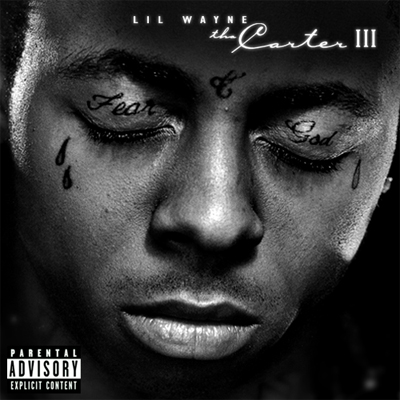
Lil' Wayne - Lollipop
Genre: Hip Hop
04/28/08
display.jsp?g=Singles&f=The+Billboard+Hot+100
I listened to this song for the first time just a few minutes ago so I could type up this entry. I guess the reason for it is because I normally don't listen to this genre of music. I found the song to be somewhat dull and didn't really like the lyrics. The artist chooses to express certain lyrics that I do not really agree with. On account of this I found myself not really paying attention to what was being said. Lastly I would have to say that of all the songs I have reviewed for this blog so far, this is my least favorite.
Link to the Lollipop Video:
Emotions/ Thoughts through Pictures:



Thursday, April 24, 2008
Music Genre: Latin Pop
Latin Pop is pop music from Latin America, Spain, Portugal, Italy and Hispanic American artists who sing in languages spoken in Latin America, mainly Spanish, Italian and Portuguese. Other European singers who come from countries where Spanish or Portuguese are not spoken, usually Italians, are often considered Latin Pop artists. Latin Pop is usually marked by polished productions while incorporating unobtrusive Latin rhythms and instrumentation into tracks


Latin Pop mixes pop with a wide variety of Latin American or Iberian rhythms such as salsa, samba, cumbia, norteña, merengue, banda, tex-mex, flamenco, tango, reggaeton, vallenato, and reggae. More recently, Latin Pop has also included hip hop contributions. It first reached a global audience through the work of vocalist Ritchie Valens in the late 1950s; in later decades, Julio Iglesias, the versatile Gloria Estefan, and the revolving-door teen idol group Menudo carried the style forward. More recently Enrique Iglesias, Luis Miguel, Ricky Martin, Shakira, Thalía, Paulina Rubio, Selena,and Ivete Sangalo, have brought Latin Pop to millions of people around the globe.
Evolution of Latin Pop
Music Genre: Hip Hop
Hip hop is both a cultural movement and a genre of music developed in New York City in the 1970s primarily by African Americans and Latinos. Since first emerging in The Bronx and Harlem, the lifestyle of hip hop culture has today spread around the world. The four historic "elements" of hip hop are: MCing (rapping), DJing, urban inspired art/tagging (graffiti), and b-boying (or breakdancing).
During the 1980's, hip hop also embraced the creation of rhythm by using the human body, via the vocal percussion technique of beatboxing. Early pioneers such as Doug E. Fresh, Biz Markie, and Buffy from the Fat Boys made beats, rhythm, and musical sounds using their mouth, lips, tongue, voice, and other body parts. "Human Beatbox" artists would also sing or imitate turntablism scratching or other instrument sounds.
In the 1990s, gangsta rap became mainstream, beginning in about 1992, with the release of Dr. Dre's The Chronic.As the decade progressed, hip hop has transformed from the more or less "old school" rhythmic rap to a more melodic hip hop that has the elements of jazz, classical, pop, reggae, and many other genres. Hip hop also gave birth to subgenres such as snap music and crunk. Hip hop influences also found their way into mainstream pop during this period as well.
Evolution of Hip Hop:


Music Genre: Rock
Rock music is a form of popular music with a prominent vocal melody, accompanied by guitar, drums, and bass. Many styles of rock music also use keyboard instruments such as organ, piano, mellotron, and synthesizers. . Rock music usually has a strong back beat, and often revolves around the guitar, either solid electric, hollow electric, or acoustic.


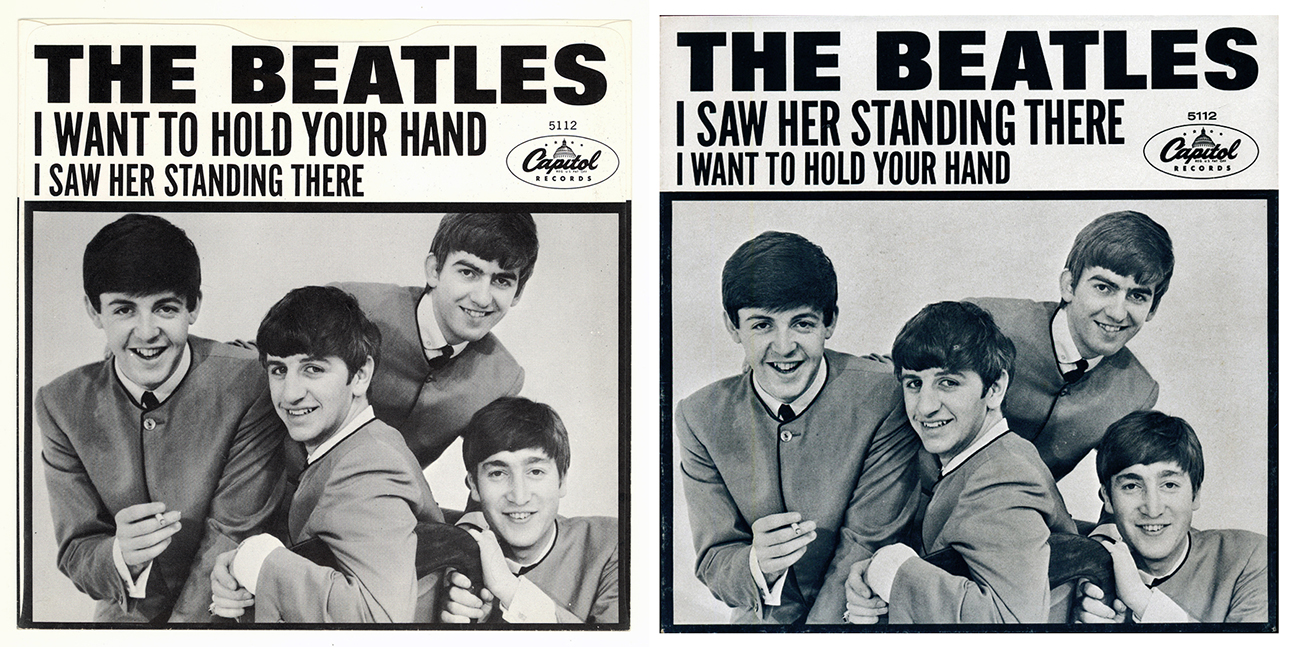
Rock music has its roots in 1940s and 1950s rock and roll and rockabilly, which evolved from blues, country music and other influences. In the 1970s, rock developed a number of subgenres, such as soft rock, heavy metal, hard rock, progressive rock, and punk rock. Rock subgenres that emerged in the 1980s included synthpop, hardcore punk and alternative rock. In the 1990s, rock subgenres included grunge, Britpop, indie rock, and nu metal. Furthermore, a group of musicians specializing in rock music is called a rock band or rock group. Many rock groups consist of a guitarist, lead singer, bass guitarist, and drummer, forming a quartet.
Origins: United States during the 1940's
Typical Instruments: Guitar, Bass, Drums, Keyboard
*One of the best selling music forms since the 1950s
Evolution of Rock:
Music Genre: R&B
Rhythm and blues (also known as R&B or RnB) is a popular music genre combining jazz, gospel, and blues influences, first performed by African American artists.


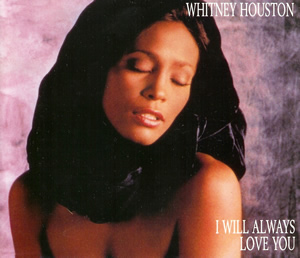

In 1947, the term rhythm and blues was coined as a musical marketing term in the United States by Jerry Wexler of Billboard magazine. It replaced the term race music, which originally came from within the black community, but was deemed offensive in the postwar world.
By the 1970s, the term rhythm and blues was being used as a blanket term to describe soul and funk. In the 2000s, the initialism R&B is almost always used instead of the full rhythm and blues, and mainstream use of the term usually refers to contemporary R&B, which is a modern version of soul and funk-influenced pop music that originated as disco faded from popularity.
Origins: The United States in the 1940's.
Evolution of R&B:
Music Genre: POP
POP
Pop music is music charted by the number or sales, plays, etc., that the work receives. It is not a particular genre or style of music, simply that which is the most popular for the tracked period of time. Most commercial music of any genre is composed with deliberate intent to appeal to the majority of its contemporaries, but, unless extremely popular in its own genre, it must to appeal to a wider audience to appear on the Pop charts.
Pop music is music charted by the number or sales, plays, etc., that the work receives. It is not a particular genre or style of music, simply that which is the most popular for the tracked period of time. Most commercial music of any genre is composed with deliberate intent to appeal to the majority of its contemporaries, but, unless extremely popular in its own genre, it must to appeal to a wider audience to appear on the Pop charts.
Originated back in England during the 1950's - "In contrast to genres with clear origins and a traceable evolution, pop developed, and continues to expand, as a haphazard merging of styles. Pop is an amalgam of successive fashions, of elements of many differing styles that have been successful over the years and have ended up incorporated into the genre."
Recent history: Pop became truly international in the nineties, with hits coming from diverse and distant locations. Female singers have had a big influence on the pop music in the first decade of the twentieth century, with soulful ballads, hip hop pieces and dance tracks
Evolution of Pop Throughout History:



Subscribe to:
Posts (Atom)